version 1.1
Mobile version will be available soon.
Please use the desktop version.
Please use the desktop version.
version 1.0
Here, people can move between different forms of practice: wood, drawing, calligraphy, music, floristry, voice, stage practice, literary readings, chamber events, and shared work. An artist may come to work with wood. A musician may begin to understand joinery. A carpenter may try calligraphy or voice practice. Someone may come to practise, share knowledge, meet others, and gradually find their own rhythm within the space.
The Laboratory is not only a place for classes. It is a place for making, meeting, rehearsing, performing, learning, documenting, and creating together.
It is the first public urban form of THE SAPIENS GARDEN — a small-scale cultural ecosystem where the larger project begins to take shape in London.
THE SAPIENS LAB
is a proposed London-based cultural and craft laboratory where people enter culture through action: making, seeing, writing, listening, gathering, caring, and building.
The Lab is the first public urban form of THE SAPIENS GARDEN — a long-term cultural and architectural initiative in the United Kingdom centred on a timber lighthouse, a 77-tree Memory Garden, and the idea of a cultural place designed to endure across generations.
Laboratory is organised around seven basic actions: Make / See / Write / Sound / Gather / Care / Build
These actions hold together the full life of the space. Wood gives structure, weight, and a connection to the future lighthouse. Drawing teaches form, light, and proportion. Calligraphy turns word and name into a material trace of memory. Music, voice, and stage practice give the space sound and public presence. Plants connect the Laboratory to seasonality, care, and the future Garden of Memory.
The space is shaped around sensory experience, practice, and attention. Wood, paper, ink, sound, voice, colour, plants, light, silence, conversation, and the scent of wood shavings, flowers, coffee create an atmosphere in which culture is not only observed, but made.
The working studios allow for concentration. The central hall gathers people together. The café adds everyday life: the possibility of staying for a while, meeting, observing, reading, listening, or simply remaining within the atmosphere without direct participation in a class or event.
During the day, the Laboratory works as a space of practice. In the evening, the central hall becomes a chamber cultural platform for readings, performances, concerts, talks, small productions, presentations, and gatherings around the developing project. In this way, THE SAPIENS LAB lives in two rhythms at once: internal and public.
is a proposed London-based cultural and craft laboratory where people enter culture through action: making, seeing, writing, listening, gathering, caring, and building.
The Lab is the first public urban form of THE SAPIENS GARDEN — a long-term cultural and architectural initiative in the United Kingdom centred on a timber lighthouse, a 77-tree Memory Garden, and the idea of a cultural place designed to endure across generations.
Laboratory is organised around seven basic actions: Make / See / Write / Sound / Gather / Care / Build
These actions hold together the full life of the space. Wood gives structure, weight, and a connection to the future lighthouse. Drawing teaches form, light, and proportion. Calligraphy turns word and name into a material trace of memory. Music, voice, and stage practice give the space sound and public presence. Plants connect the Laboratory to seasonality, care, and the future Garden of Memory.
The space is shaped around sensory experience, practice, and attention. Wood, paper, ink, sound, voice, colour, plants, light, silence, conversation, and the scent of wood shavings, flowers, coffee create an atmosphere in which culture is not only observed, but made.
The working studios allow for concentration. The central hall gathers people together. The café adds everyday life: the possibility of staying for a while, meeting, observing, reading, listening, or simply remaining within the atmosphere without direct participation in a class or event.
During the day, the Laboratory works as a space of practice. In the evening, the central hall becomes a chamber cultural platform for readings, performances, concerts, talks, small productions, presentations, and gatherings around the developing project. In this way, THE SAPIENS LAB lives in two rhythms at once: internal and public.
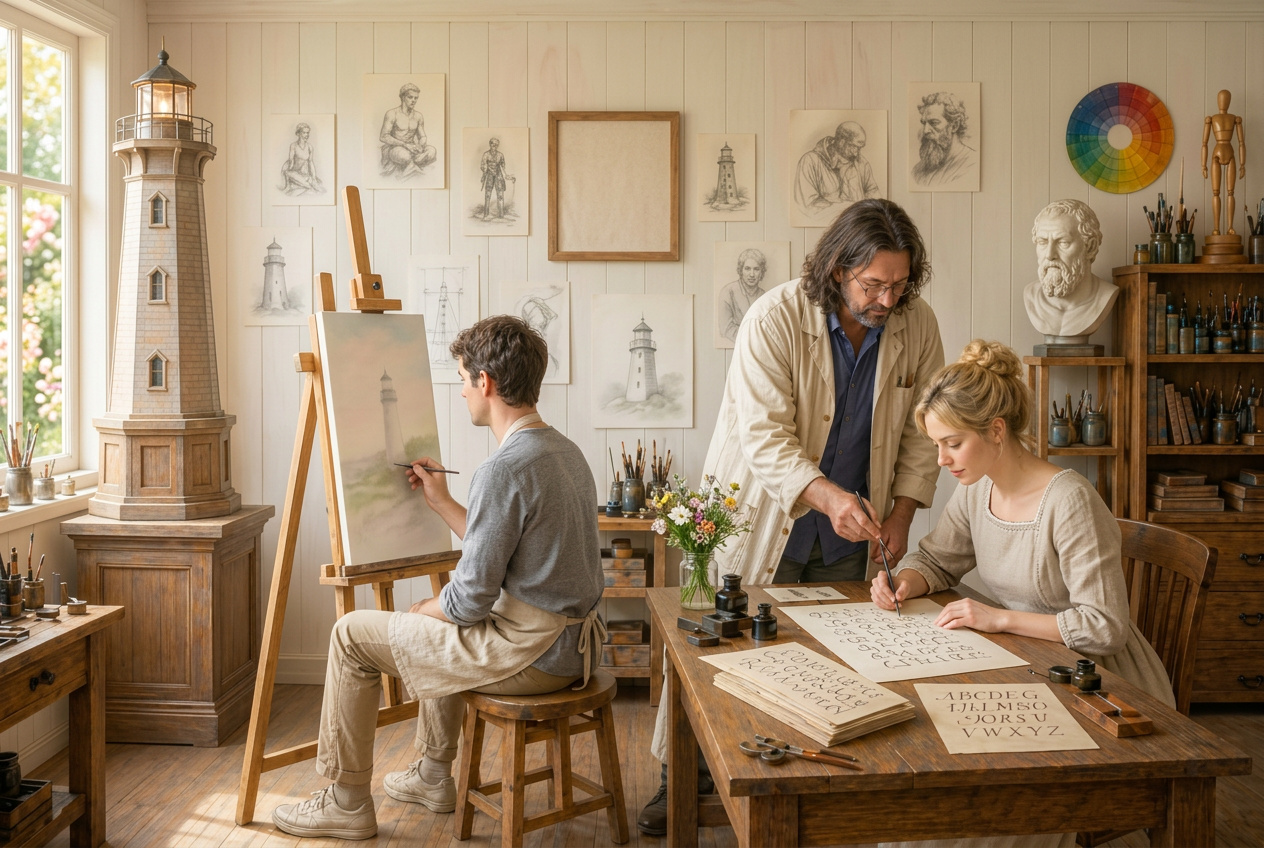
EYES & COLOR
A space for drawing, colour, calligraphy, and visual thinking.
This room is dedicated to the practice of seeing: form, line,
proportion, light, texture, and the visual trace of memory.
Possible activities include:
A space for drawing, colour, calligraphy, and visual thinking.
This room is dedicated to the practice of seeing: form, line,
proportion, light, texture, and the visual trace of memory.
Possible activities include:
- drawing and architectural sketching
- work with colour, form, and composition
- graphics and calligraphy
- handwritten memory cards
- botanical drawing
- visual diaries and archive pages
- needlework and paper-based practices
STUDIOS
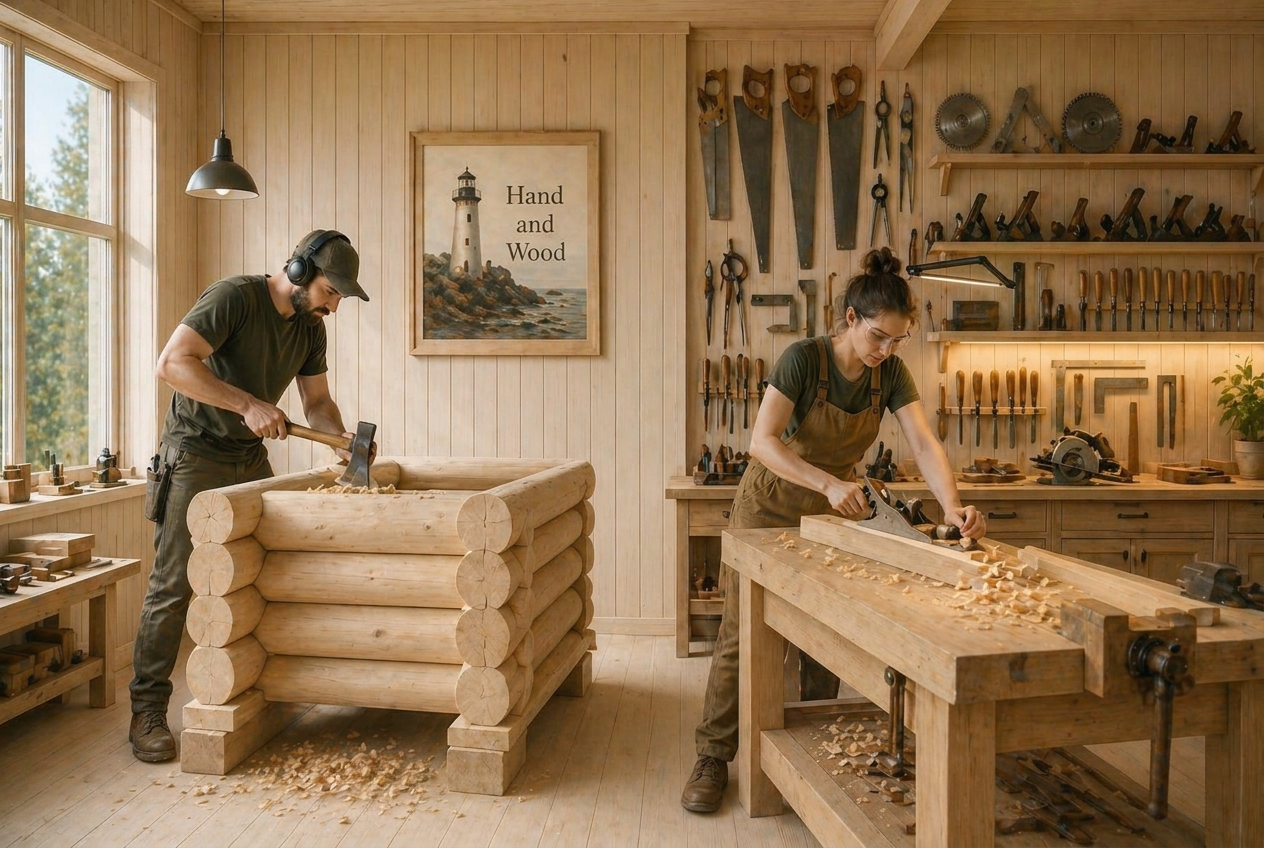
HANDS & WOOD
This room connects craft, hand, tool, timber, structure,
and the future lighthouse. Possible activities include:
This room connects craft, hand, tool, timber, structure,
and the future lighthouse. Possible activities include:
- joinery and carpentry practice
- carving, joints, and craft theory
- making small wooden objects
- working with timber samples and models
- furniture repair and care
- traditional Norwegian laft and timber-frame
- tool care and sharpening
- small timber-frame modules
- prototype-related models and fragments
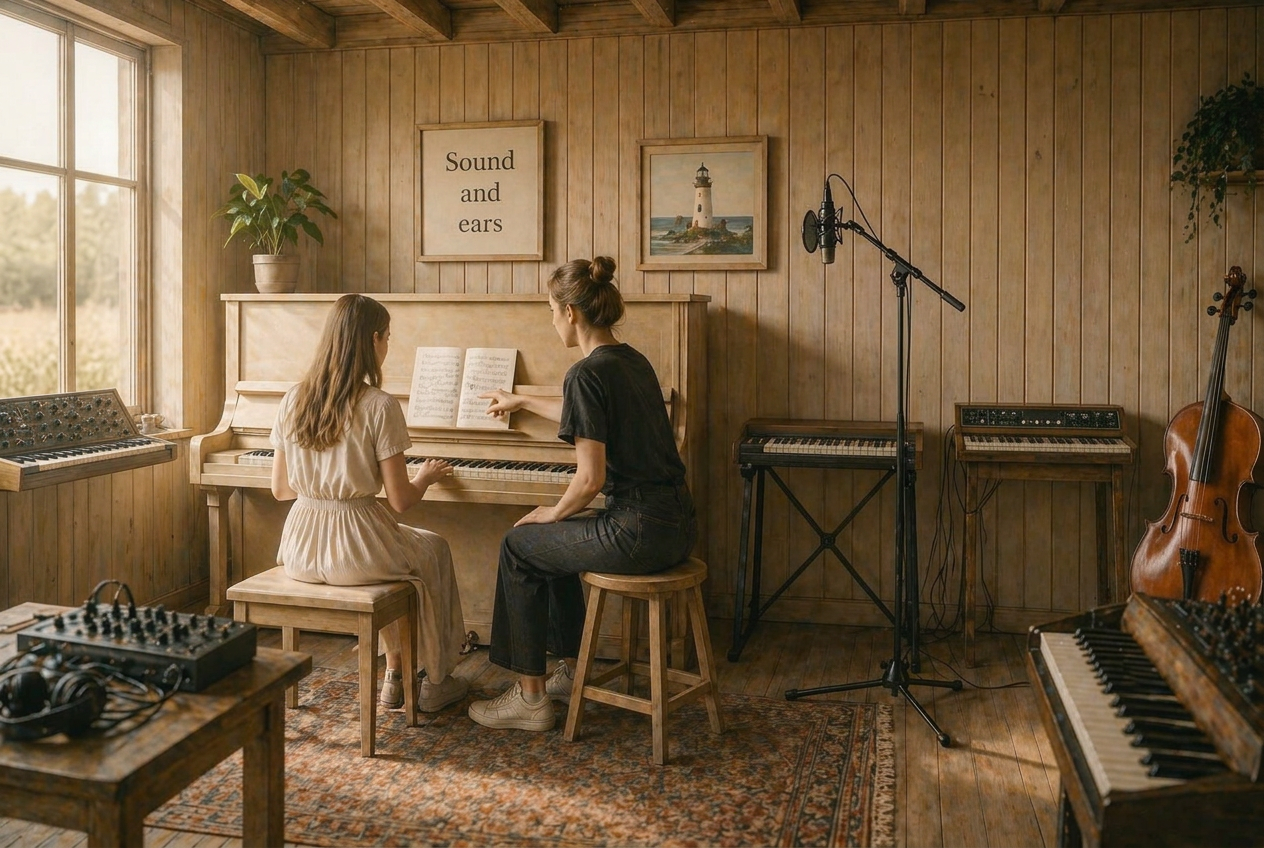
BREATH & FLOWER
A space for working with flowers, plants, and living material. It connects the Laboratory to seasonality, care, sensory experience, and the future Garden of Memory. Possible activities include:
A space for working with flowers, plants, and living material. It connects the Laboratory to seasonality, care, sensory experience, and the future Garden of Memory. Possible activities include:
- floristry
- bouquet making and delivery
- work with seasonal plants
- botanical objects
- flower compositions for events and the café
- memory bouquets connected to names and seasons
- supported participation sessions
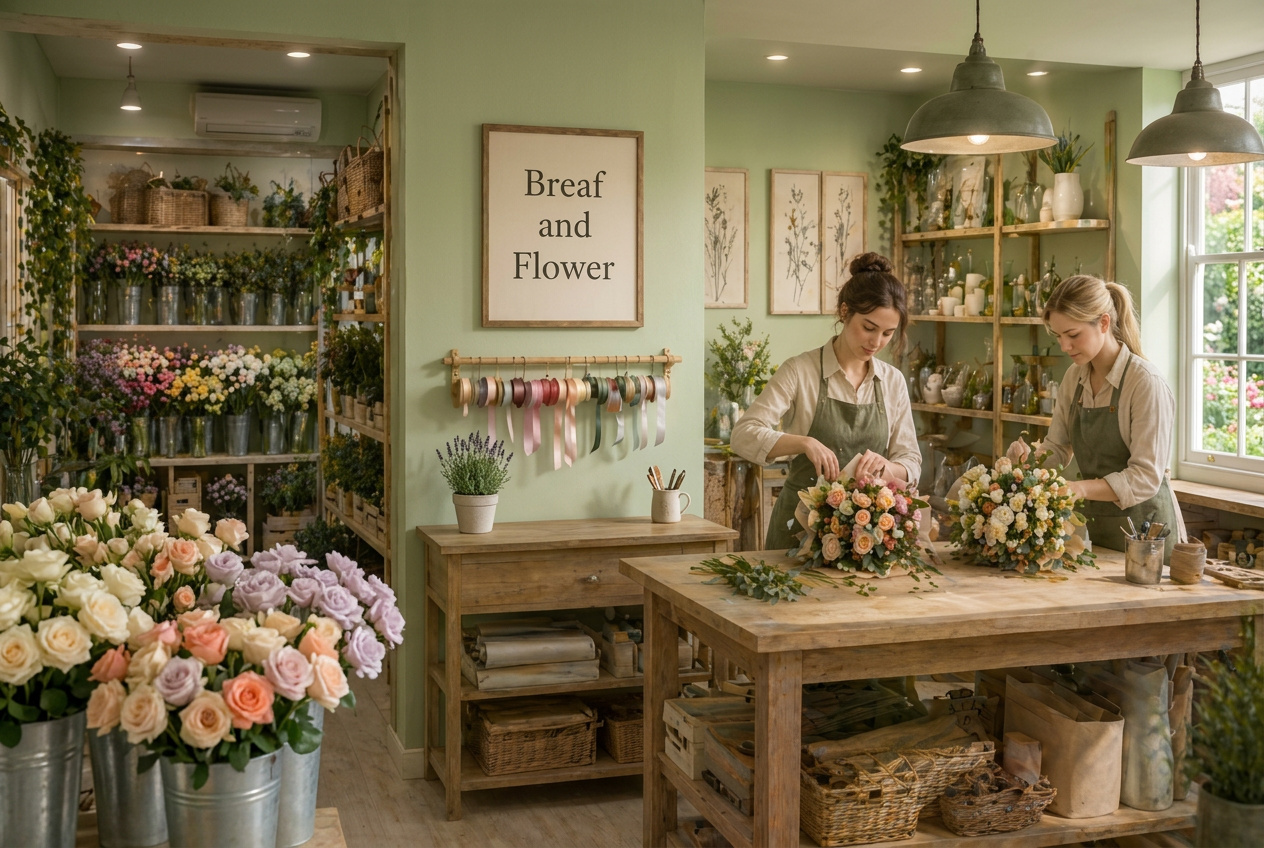
EARS & SOUND
A space for music, voice, rehearsal, stage presence, and small recordings. Rather than operating as a conventional music school, it functions as a room for practice, preparation, sound, and public expression within the wider cultural life of the Laboratory. Possible activities include:
A space for music, voice, rehearsal, stage presence, and small recordings. Rather than operating as a conventional music school, it functions as a room for practice, preparation, sound, and public expression within the wider cultural life of the Laboratory. Possible activities include:
- piano and string practice
- chamber rehearsals
- basic improvisation
- voice work
- small sound recordings
- preparation for performances on The Stage
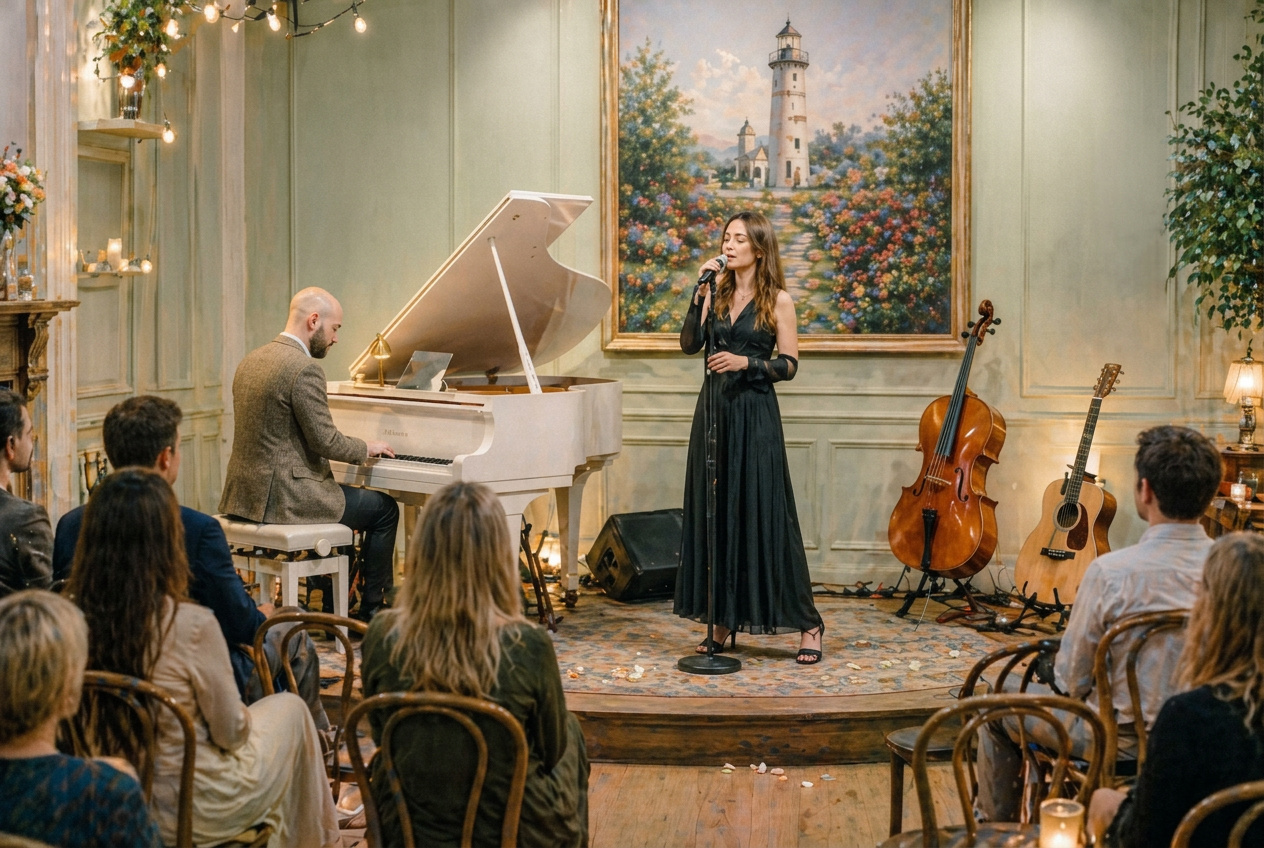
THE STAGE
The Stage is the chamber public platform of THE SAPIENS LAB. It allows work made in the studios to become part of a shared cultural programme. The Stage may host:
The Stage is the chamber public platform of THE SAPIENS LAB. It allows work made in the studios to become part of a shared cultural programme. The Stage may host:
- concerts
- exhibitions
- lectures
- readings
- literary evenings
- chamber performances
- monologues and storytelling
- work-in-progress evenings
- prototype presentations
- meetings with partners and cultural figures.
OBJECTS AND TRACES
An important part of THE SAPIENS LAB is what remains after practice. These traces may include wooden objects, calligraphic cards, bouquets, drawings, small editions, archive pages, sound fragments, photographs, prototype samples, and other small forms created inside the Laboratory. A person may leave not only with an experience, but with a material trace of participation: an object, a name, a line, a sound, a flower, a text, or a story.
In this way, the Laboratory gradually creates its own living archive.
An important part of THE SAPIENS LAB is what remains after practice. These traces may include wooden objects, calligraphic cards, bouquets, drawings, small editions, archive pages, sound fragments, photographs, prototype samples, and other small forms created inside the Laboratory. A person may leave not only with an experience, but with a material trace of participation: an object, a name, a line, a sound, a flower, a text, or a story.
In this way, the Laboratory gradually creates its own living archive.
HOW IT WORKS
THE SAPIENS LAB is built around practice. Sessions take place mainly in small groups. Individual sessions are also possible. People can come without prior experience and begin through accessible, guided formats. Sessions are led by practising masters, artists, musicians, makers, and invited members of the wider community.
All work is organised with attention to safety, quality of materials, clear guidance, and safeguarding principles where relevant.
The Laboratory works through rhythms rather than isolated events:
THE SAPIENS LAB is built around practice. Sessions take place mainly in small groups. Individual sessions are also possible. People can come without prior experience and begin through accessible, guided formats. Sessions are led by practising masters, artists, musicians, makers, and invited members of the wider community.
All work is organised with attention to safety, quality of materials, clear guidance, and safeguarding principles where relevant.
The Laboratory works through rhythms rather than isolated events:
- weekly workshops
- monthly salons
- seasonal programmes
- material evenings
- prototype presentations
- chamber events
- open days
- annual exhibition and stage programme
SOCIAL PROGRAMME
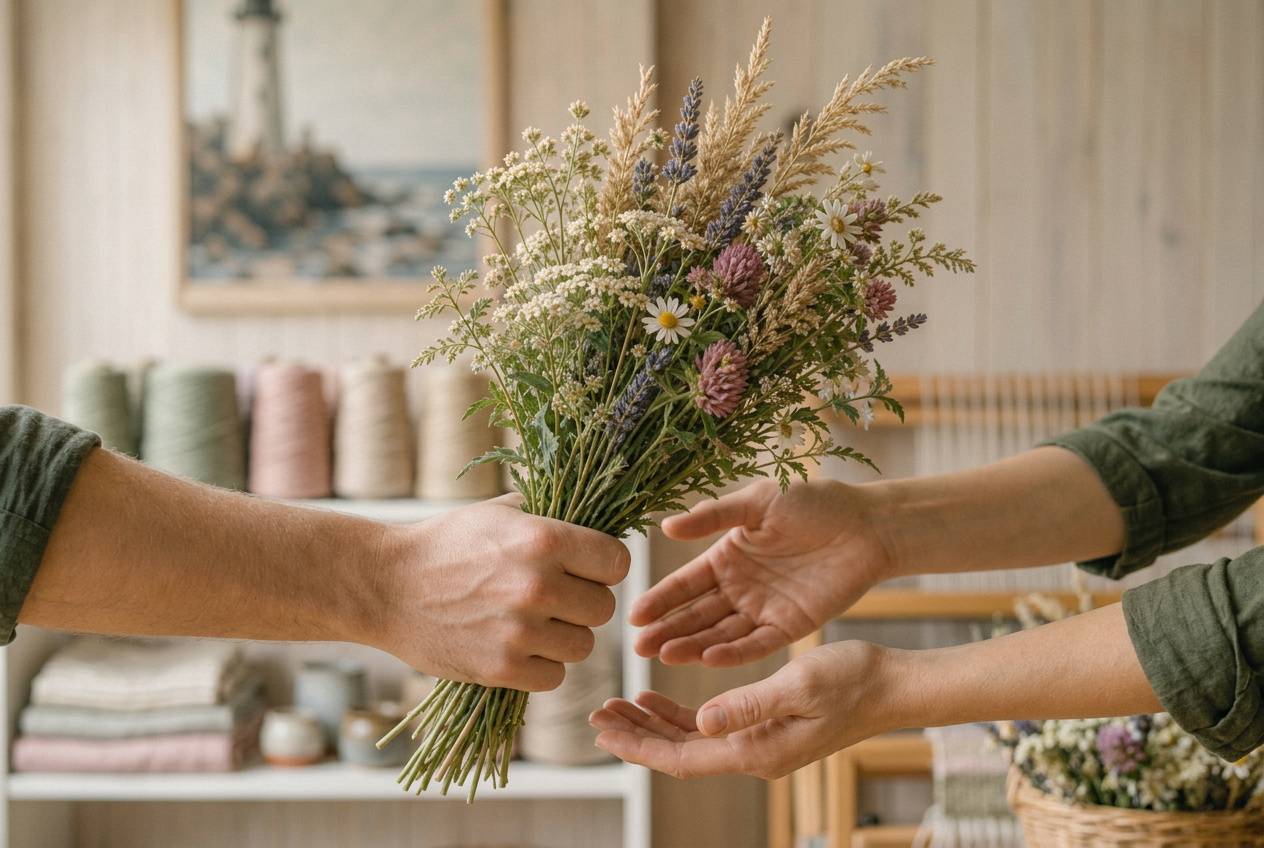
The Living Workshop, Breath & Flower, is not only one of the core strands within THE SAPIENS LAB, but also a space of supported work and participation. It is intended for adult participants aged 18 and above who may benefit from additional support, including neurodivergent adults, disabled people, and people experiencing social isolation or rebuilding confidence and routine.
Work takes place in small groups under the guidance of a skilled practitioner and within a clear professional framework. Participants carry out concrete tasks: preparing flowers, making bouquets, preparing orders, packaging them, and contributing to the life of the Laboratory. Where appropriate, the same young people may also take part in local London deliveries, completing the full cycle of supported participation: preparation, presentation, movement through the city, and respectful public interaction.
The Living Workshop, Breath & Flower, is not only one of the core strands within THE SAPIENS LAB, but also a space of supported work and participation. It is intended for adult participants aged 18 and above who may benefit from additional support, including neurodivergent adults, disabled people, and people experiencing social isolation or rebuilding confidence and routine.
Work takes place in small groups under the guidance of a skilled practitioner and within a clear professional framework. Participants carry out concrete tasks: preparing flowers, making bouquets, preparing orders, packaging them, and contributing to the life of the Laboratory. Where appropriate, the same young people may also take part in local London deliveries, completing the full cycle of supported participation: preparation, presentation, movement through the city, and respectful public interaction.
What matters here is not participation alone, but a completed cycle of action and a visible result. The process connects material, attention, responsibility, and contribution. It offers a way to take part in real work through rhythm, care, and completion.
The social programme is connected to the actual working life of the Laboratory and does not exist apart from it. It brings together culture, meaningful work, dignity, and the possibility of gradually entering more stable forms of participation.
UNESCO CREATIVE CITIES DIALOGUE
THE SAPIENS LAB has begun early international cultural dialogue with the UNESCO Creative Cities Network Secretariat. In formal correspondence, the Secretariat acknowledged the initiative and its approach to culture, craft and community engagement, and expressed its best wishes for the further development of the project.
For us, this is an important early signal that THE SAPIENS LAB is legible within an international cultural context — not only as a local craft initiative, but as a broader cultural platform connecting heritage, craft practice, public participation and urban creativity.
THE SAPIENS LAB has begun early international cultural dialogue with the UNESCO Creative Cities Network Secretariat. In formal correspondence, the Secretariat acknowledged the initiative and its approach to culture, craft and community engagement, and expressed its best wishes for the further development of the project.
For us, this is an important early signal that THE SAPIENS LAB is legible within an international cultural context — not only as a local craft initiative, but as a broader cultural platform connecting heritage, craft practice, public participation and urban creativity.
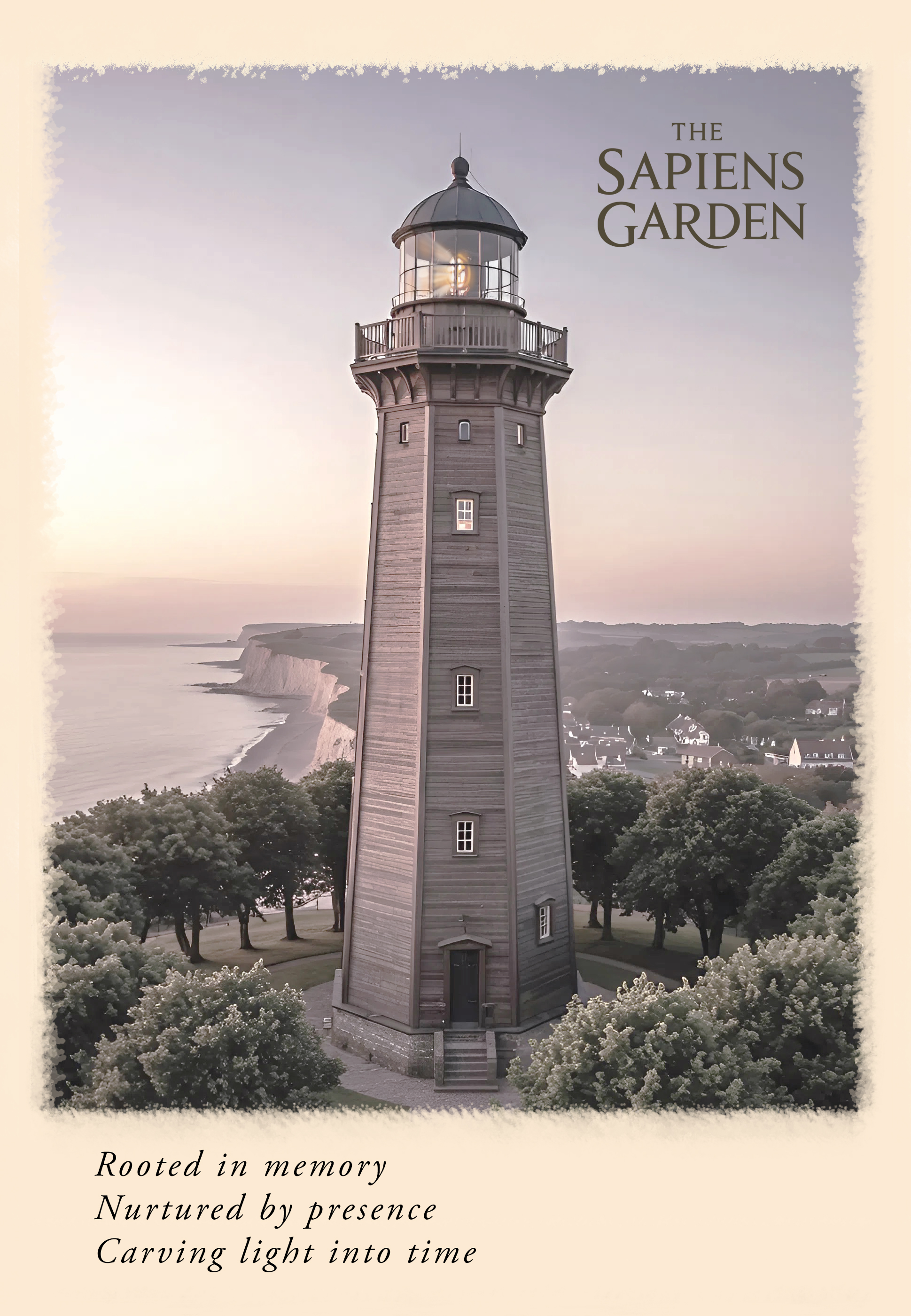
THE SAPIENS GARDEN
is a long-horizon cultural project bringing together architecture, craft, landscape, nature, sound, memory, and education.
At its core are:
- a 42-metre timber lighthouse built using timber-frame methods
- a garden in which each tree is linked to a figure who shaped the history of culture, science, and thought
- a space of memory, learning, and the transmission of cultural experience
The Laboratory is the early living urban form of the larger project. It allows the world of THE SAPIENS GARDEN to be seen not as a distant concept, but as a real environment already beginning to work through craft, culture, and participation.
CONTACT
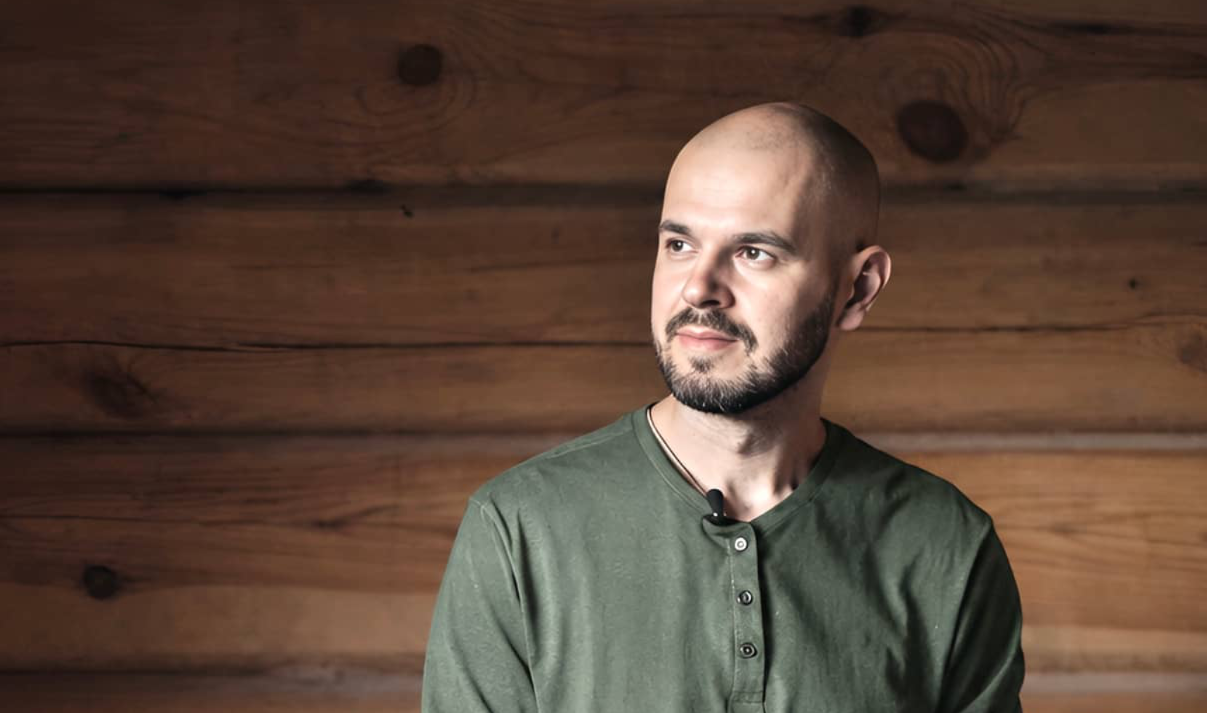
Alex Skarshelg
Timber Construction Practitioner & Master Craftsman,
Founder and Project Lead, THE SAPIENS LAB
Email: alexskarshelg@gmail.com
Alex Skarshelg
Timber Construction Practitioner & Master Craftsman,
Founder and Project Lead, THE SAPIENS LAB
Email: alexskarshelg@gmail.com
© Alex Skarshelg 2026.
All rights reserved. All conceptual, narrative, architectural, and cultural materials presented on this website are the intellectual property
of Alex Skarshelg, unless otherwise stated. These materials are formally documented and protected under UK and international copyright laws.
UK Copyright Service Registration Number: 68e8cc85-DMCW-17c-8569e5-0003